7 Things to Know Before Traveling to Morocco
Morocco is easy to love and, with a little preparation, easy to travel. But a few things work differently from what many visitors expect, from money and bargaining to how taxis work. Knowing them in advance saves time, money and stress.
Here are seven things to know before traveling to Morocco. For passports, visas and customs rules, also see our Morocco travel tips page.
At a glance
- Currency: Moroccan dirham (MAD)
- Languages: Arabic, Tamazight, French widely used
- Time zone: GMT+1 (GMT during Ramadan)
- Electricity: 220V, European two-pin plugs
1. The dirham is a closed currency
Morocco’s currency is the dirham (MAD). It’s a closed currency, which means you generally obtain it once you arrive rather than at home. ATMs are widely available in cities and towns, and exchange offices at airports and in city centers offer fair rates. Keep your exchange receipts if you want to change dirhams back when you leave.
Cards are accepted in most hotels, larger restaurants and shops, but cash is still king in the souks, small cafés, taxis and rural areas. Carry small notes and coins for tips and small purchases.
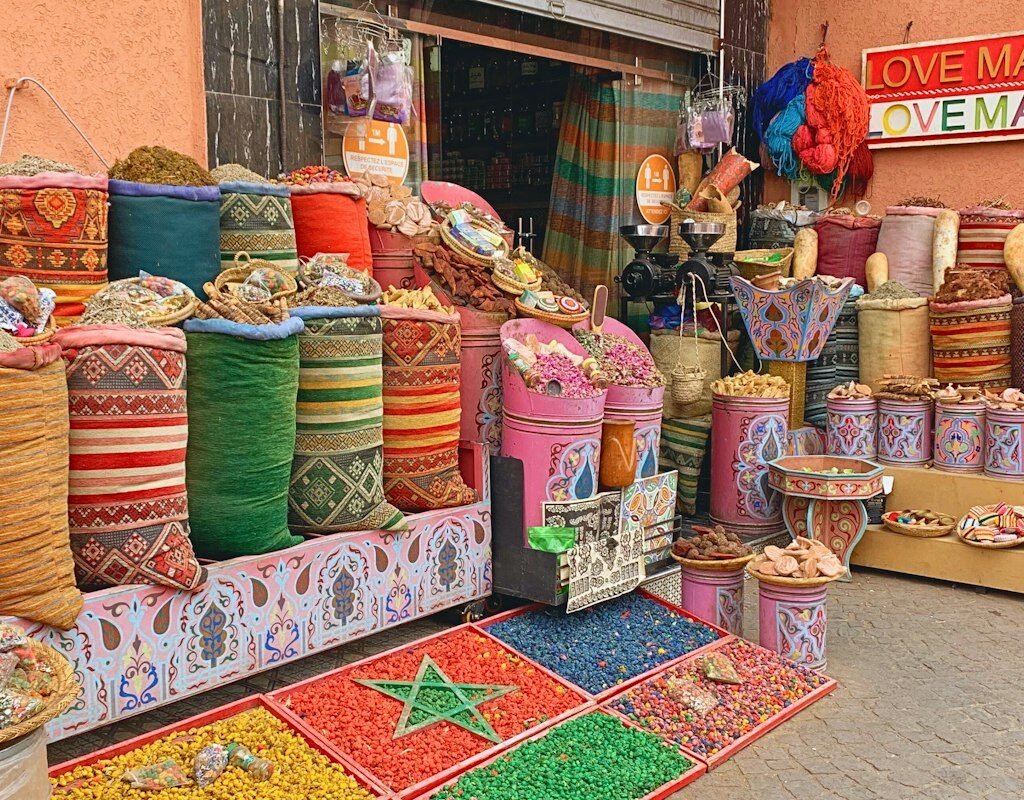
2. Bargaining is expected in the souks
In the medina souks, prices are usually not fixed, and bargaining is part of the experience. A few tips:
- Ask the price, then make a counteroffer well below it.
- Stay friendly and patient. It’s a conversation, not a fight.
- Only start negotiating if you’re genuinely interested.
- Walking away politely is fine, and sometimes brings a better offer.
Supermarkets, pharmacies, cafés and many modern shops have fixed prices.
3. You’ll hear several languages
The official languages are Arabic and Tamazight (Berber). Most Moroccans speak Darija, Moroccan Arabic, in daily life. French is widely used in business, administration and tourism, and Spanish is common in the north. English is increasingly spoken in tourist areas and by younger people. Learning a few words goes a long way: salam (hello), shukran (thank you) and la, shukran (no, thank you).
4. Getting around is easier than you think
- Trains: the national railway, ONCF, connects major cities. The Al Boraq high-speed train links Tangier, Rabat and Casablanca.
- Buses: CTM and Supratours run comfortable long-distance buses.
- Petits taxis: small city taxis should use the meter. If the driver won’t, agree on the price before you get in.
- Grands taxis: shared taxis for longer routes between towns.
- Private driver: the most comfortable way to tour the country, especially to the mountains and desert. Our Morocco tours include a private driver throughout.
In the medinas, GPS can be unreliable. A licensed guide is worth it on your first day, and be wary of unofficial “guides” who offer to show you the way.
5. Friday and Ramadan affect the rhythm of life
Friday midday is the most important prayer time of the week, and some shops close for a few hours. During Ramadan, the month of fasting, many restaurants close during the day outside tourist areas, and the evening becomes lively after sunset. Morocco usually moves its clocks back one hour during Ramadan. Ramadan is a fascinating time to visit if you plan for it. See our guide to the best time to visit Morocco.
6. Food is a highlight, so be sensible with water
Moroccan food is one of the trip’s great pleasures: tagines, couscous, harira soup, fresh salads and grilled fish on the coast. Most visitors drink bottled water, which is cheap and available everywhere. Busy restaurants and food stalls with high turnover are usually a good choice. Vegetarians are well catered for, while vegans and anyone with allergies should explain their needs clearly, ideally in writing.
7. Staying connected is easy and cheap
Local SIM cards from Maroc Telecom, Orange or inwi are inexpensive and available at the airport and in phone shops, though you’ll need your passport. Many phones also support eSIM data plans. Wi-Fi is standard in hotels and riads, though it can be slow behind thick medina walls.
A few more quick tips
- Dress: light, loose clothing that covers shoulders and knees is comfortable and respectful. See what to wear in Morocco.
- Photos: always ask before photographing people.
- Tipping: small tips are customary for guides, drivers, porters and restaurant staff.
- Customs: read our guide to Moroccan etiquette for greetings, hospitality and mosque visits.
Frequently asked questions
Is Morocco safe for tourists?
Millions of tourists visit Morocco every year, and most trips are trouble-free. As anywhere, take normal precautions against petty theft, and check your government’s travel advice before you go.
Do I need a visa for Morocco?
Many nationalities can visit visa-free for up to 90 days, but not all. Check with the Moroccan embassy or consulate for your nationality.
Can I use euros or dollars in Morocco?
Some tourist businesses accept them, but you’ll get better value paying in dirhams.
Travel Morocco with a local team
Explore Morocco DMC handles transport, accommodation, guides and 24/7 support, so you can enjoy Morocco without the logistics. Tell us about your trip and we’ll take care of the details.